
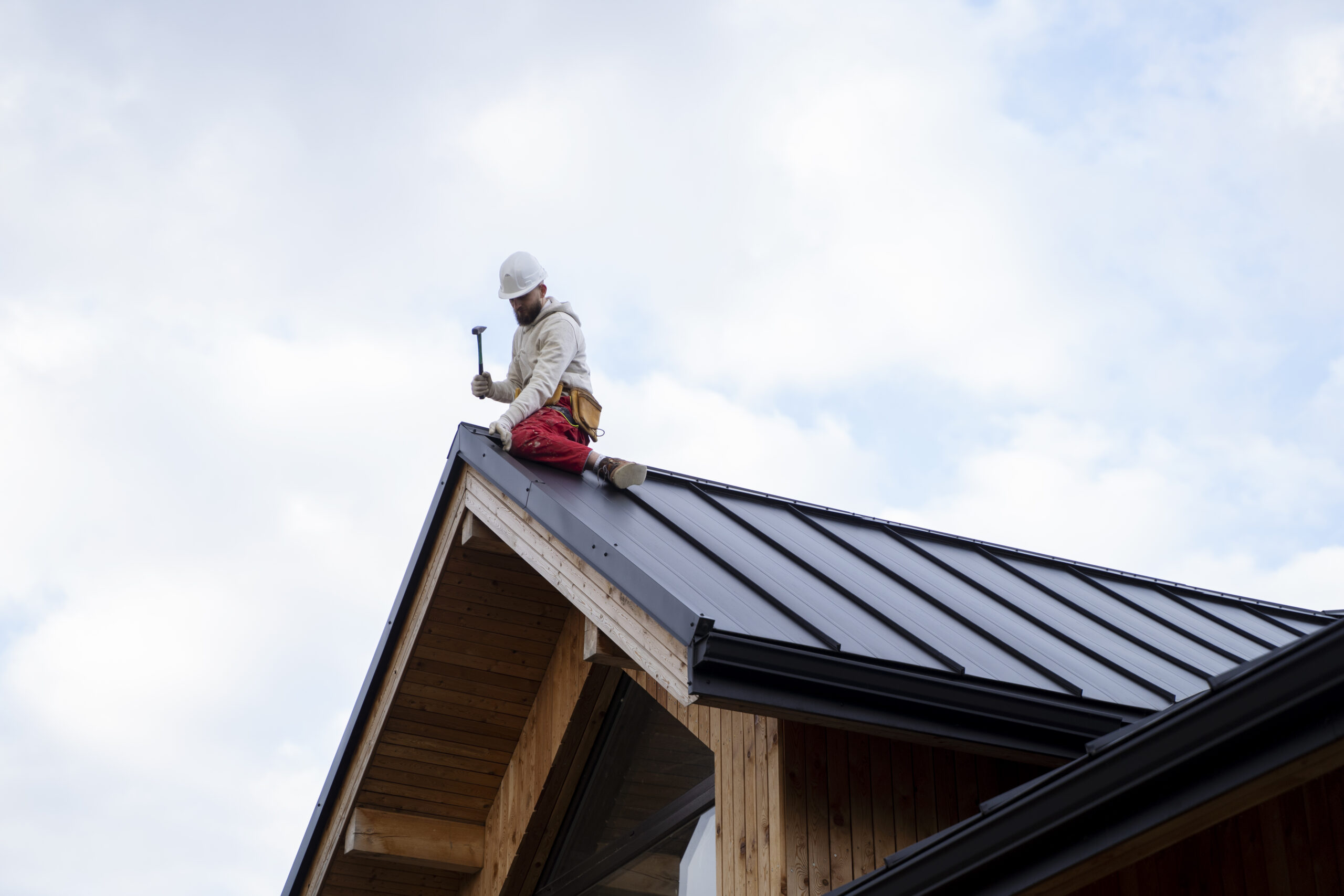
Finding a Roofing Company You Can Trust: A Homeowner’s Guide to a Safe and Secure Investment
Introduction
Your roof is more than just the top of your house. It is your first line of defense against rain, wind, snow, and sun. It is what keeps your family dry, warm, and safe. But let us be honest, most of us do not think about our roof until something goes wrong. A leak appears during a heavy storm, you notice a few shingles in the yard after a windy day, or you see a dark stain spreading across your ceiling. That is the moment the search for a “roofing company” begins, and it can feel overwhelming.
I have been in your shoes. I have felt that sense of urgency mixed with anxiety, wondering who to let onto my property for such a critical and expensive job. The market is flooded with options, from large, well known companies to small, local crews and everything in between. How can you possibly know who is reputable, who will do the job right, and who will not disappear after you have paid them? This guide is designed to walk you through that process, step by step. We will move beyond the fear and confusion and give you the knowledge you need to choose a roofing company with confidence. We will talk about what truly matters, what questions to ask, and how to ensure your investment protects your home for decades to come.
Why Your Choice of Roofing Company Matters More Than You Think
It is tempting to focus solely on the price when getting a new roof or a major repair. After all, it is a significant financial commitment. However, the true cost of a roof is not just the number on the quote. It is measured over 20, 30, or even 50 years. A poor roofing job might look fine for the first year or two, but hidden problems can lead to catastrophic failures down the line.
Think about it this way. A roof is a complex system. It is not just nailing shingles to wood. It involves proper ventilation to prevent ice dams in the winter and moisture buildup in the attic during the summer. It requires flashing installed with precision around chimneys, skylights, and vents to prevent leaks. It needs an underlayment that acts as a secondary water barrier. If any one of these components is installed incorrectly, you could be facing not just a leaky roof, but also mold growth, damaged insulation, and compromised structural integrity in your attic and walls. The cost to fix these subsequent issues can far exceed the money you “saved” by hiring the cheapest contractor.
A professional, reputable roofing company does not just install shingles. They install a complete roofing system. They understand the science of water shedding, airflow, and thermal dynamics. They use high quality materials and, most importantly, they back their work with strong warranties. Your choice of contractor is the single biggest factor in determining the longevity and performance of your roof. It is an investment in peace of mind.
The Non-Negotiable Credentials: What to Verify Before You Sign Anything
Before you even look at a company’s portfolio or ask for a quote, you must verify their fundamental credentials. This is the foundation of your trust. Skipping this step is like building a house on sand.
License: A state-issued contractor’s license is an absolute must. It is not just a piece of paper. It means the roofer has met a minimum level of competency and has passed certain exams. It also provides you with a path for recourse if something goes terribly wrong. You can typically verify a contractor’s license online through your state’s licensing board website. If a company is hesitant to provide their license number, that is your first and biggest red flag. Walk away immediately.
Insurance: This is critically important and has two parts. First, they must have Liability Insurance. This protects your property if the roofing crew accidentally causes damage to your home, like breaking a window or damaging your siding. Second, and just as crucial, they must have Workers’ Compensation Insurance. This protects you from being held liable if a roofer is injured while working on your property. If they do not have workers’ comp and a worker falls off your roof, you could be facing a devastating lawsuit. Do not just take their word for it. Ask them to have their insurance company send a Certificate of Insurance directly to you. This document proves the policies are active and in good standing.
Local References and Reputation: A good roofing company is built on its reputation within the local community. Ask for a list of recent references and actually take the time to call a few. Look at their reviews on Google, Facebook, and the Better Business Bureau. Do not just look at the star rating. Read the content of the reviews. Do customers talk about the crew being professional and cleaning up thoroughly? Did the project stay on schedule and on budget? How did the company handle any problems that came up? A long history of positive reviews in your area is a very strong indicator of reliability.
Manufacturer Certifications: This is the mark of a truly top tier roofing company. Major manufacturers like GAF, Owens Corning, and CertainTeed have rigorous training programs for contractors. To become a “certified” or “master” installer, the roofer must complete training on the manufacturer’s specific installation techniques and pass regular quality checks. Why does this matter to you? It often means a better installation, and it almost always means you get access to the manufacturer’s strongest, longest warranties, which can sometimes double the length of the standard warranty.
A Guide to the Different Types of Roofing Services
A “roofing company” can mean many things. Understanding the different services they offer will help you communicate your needs more effectively.
Roof Inspections: This is where almost every roofing project should begin. A professional roof inspection is not just someone looking at your roof from a ladder with binoculars. A good inspector will get on the roof to check the condition of the shingles, flashing, vents, and gutters. They will also go into your attic to check for proper ventilation, signs of leaks, and any wood rot. Many reputable companies offer free inspections. This is a no obligation way to understand the true condition of your roof.
Roof Repairs: Not every roof problem requires a full replacement. Common repairs include fixing leaks around flashing, replacing a small section of damaged shingles, repairing vents, or clearing and resealing valleys where two roof planes meet. A good roofing company will be honest with you about whether a repair is a viable, long term solution or just a temporary patch that delays the inevitable.
Roof Replacement: This is the big one. A full roof replacement involves tearing off the old roof down to the decking (the wooden base), inspecting and replacing any rotten wood, installing new underlayment, and then installing the new roofing material. This is a major project, but it is also an opportunity to upgrade your home’s protection, energy efficiency, and curb appeal.
Emergency Roof Repair: Storm damage can happen at any time. A reliable roofing company will often have a team on call for emergencies to perform temporary tarping and board ups to prevent further water damage to your home’s interior until permanent repairs can be made.
New Construction Roofing: If you are building a new home, you will need a company that specializes in installing a roof on a brand new structure, coordinating with the other trades on the job site.
Roof Maintenance Programs: Some companies offer annual or bi-annual maintenance plans. For a fee, they will inspect your roof, clean your gutters, and make minor adjustments to help extend the life of your roof. This can be a very wise investment, like getting regular oil changes for your car.
How to Understand and Compare Roofing Quotes
When you get quotes from different roofing companies, it is vital that you are comparing apples to apples. A quote that is significantly lower than the others is often a warning sign, not a bargain.
A detailed quote should include the following.
Scope of Work: This is a detailed description of everything that will be done. It should specify that the old roof will be torn off and disposed of. It should list all materials to be used, including the brand, style, and color of the shingles; the type of underlayment (e.g., synthetic vs. felt); the type of flashing (e.g., aluminum or steel); and the brand and style of vents and drip edge.
Material Costs: This section will list the cost of all the materials separately.
Labor Costs: This covers the cost of the crew to perform the work.
Total Cost and Payment Schedule: This is the bottom line. Be very wary of any company that demands a full payment upfront. A standard payment schedule might be a deposit to secure the materials (often 10-30%), a progress payment when the job is halfway done, and the final payment upon your final walkthrough and satisfaction with the completed job.
Warranty Information: The quote should clearly state the warranties you will receive. This includes the manufacturer’s warranty on the materials (which covers defects in the shingles themselves) and the contractor’s workmanship warranty (which covers errors in the installation). The workmanship warranty is a direct reflection of the roofer’s confidence in their own work.
The Red Flags: Warning Signs of a Dishonest Roofer
Unfortunately, the roofing industry has its share of storm chasers and unscrupulous operators. Protecting yourself means knowing the warning signs.
-
Door-to-Door Solicitors with “Leftover Materials”: Be cautious of someone who shows up uninvited, especially after a storm, and offers you a “great deal” because they have leftover materials from another job nearby.
-
High-Pressure Sales Tactics: If they tell you the price is only good for today, or that you must sign a contract immediately to get a discount, show them the door. A reputable company will give you time to think and review the quote.
-
Requests for Large Cash Deposits: A company that asks for the entire payment in cash upfront is a major red flag. What is their incentive to return and finish the job?
-
No Physical Address or Local Presence: A legitimate business will have a local office or showroom. A P.O. box is not sufficient.
-
Vague or Verbal-Only Quotes: Always insist on a detailed, written quote and contract. If they are not willing to put it in writing, do not do business with them.
-
They Are Unfamiliar with Local Building Codes: Building codes vary by city and county. A professional roofer will be familiar with the specific codes in your area and will pull the necessary permits for the job.
Conclusion
Your roof is one of the most important components of your home. Choosing the right roofing company to care for it is a decision that requires diligence, but it does not have to be a scary one. By focusing on the fundamentals—verifying licenses and insurance, checking local reputation, understanding warranties, and carefully comparing detailed quotes—you can move forward with confidence.
Remember, you are not just buying a product; you are investing in a service and a relationship. You are investing in the skilled hands that will ensure your home remains a safe and dry sanctuary for you and your family for years to come. Take a deep breath, do your homework, and choose a partner, not just a provider. The peace of mind you will gain is worth every bit of the effort.
Frequently Asked Questions (FAQ)
Q1: How long does a typical roof replacement take?
A: For an average single-family home, a full roof replacement typically takes between 2 and 5 days. The first day is usually for tear-off and deck preparation, with the following days for installing underlayment, flashing, and shingles. The timeline can be affected by the size and complexity of your roof, the weather, and any unforeseen repairs to the roof deck.
Q2: How much does a new roof cost?
A: The cost of a new roof varies widely based on your location, the size and pitch of your roof, the materials you choose, and the cost of labor in your area. As a very general ballpark, a new asphalt shingle roof on an average home can range from $8,000 to $15,000 or more. Metal and tile roofs are significantly more expensive. The only way to get an accurate price is to get several detailed quotes from local, reputable contractors.
Q3: Can I just install new shingles over my old ones?
A: While it is sometimes possible, it is almost never recommended. Building codes in many areas prohibit it. Installing over old shingles prevents the roofer from inspecting the roof deck for rot or damage. It also adds extra weight to your roof structure and can void the manufacturer’s warranty on the new shingles. A tear-off, while messier and slightly more expensive, is the correct and professional way to ensure a long-lasting roof.
Q4: What is the best time of year to replace a roof?
A: Late spring, summer, and early fall are the most popular times because the weather is generally warm and dry. However, professional roofing companies can work effectively in colder weather as well, as long as it is not raining or snowing. Scheduling your roof replacement during the off-peak seasons (late fall or early spring) might sometimes lead to a quicker start date.
Q5: How do I know if I need a repair or a full replacement?
A: This is a key question that a professional inspection can answer. Generally, if your roof is nearing the end of its expected lifespan (20-25 years for asphalt shingles) and you are experiencing widespread leaks or significant granule loss, a replacement is likely the better investment. If the roof is relatively new and the damage is isolated to a small area, a repair may be sufficient.
