
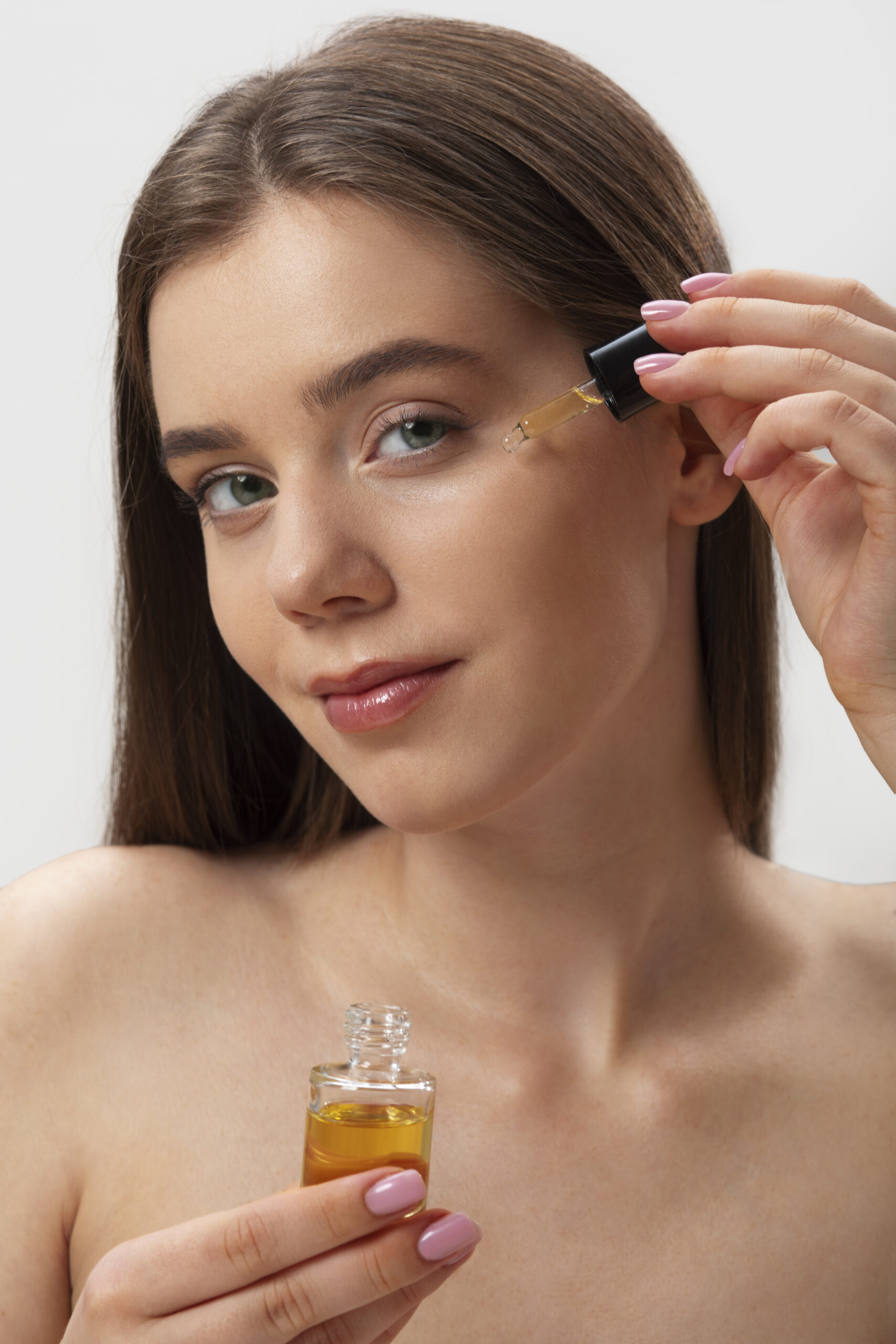
The Ultimate Guide to a Radiant, Hydrated Complexion
I remember the first time a friend suggested I try a face oil. I looked at her like she had just told me to rub butter on my cheeks. My skin was combination-oily, prone to the occasional breakout, and the last thing I thought it needed was more oil. The very idea went against everything I thought I knew about skincare. For years, my mission had been to strip oil away, to achieve a matte, “clean” finish. But that approach left my skin feeling tight, looking dull, and somehow still getting shiny a few hours later. Out of desperation, I finally gave in and bought a small bottle of a lightweight jojoba oil. The first night I used it, I expected to wake up with a face full of new blemishes. Instead, I woke up to skin that felt softer, looked calmer, and had a subtle, healthy glow that I hadn’t seen since I was a child. It was a revelation.
That experience taught me a crucial lesson about skincare: our fears often hold us back from the very solutions we need. Face oil is one of the most misunderstood and underutilized products in beauty. It is not a one-size-fits-all solution, and it is not a magic potion. But when understood and used correctly, it can be the missing piece in your skincare routine that transforms your complexion from okay to outstanding. This guide is the one I wish I had before I took the plunge. We will walk through the science, the benefits, and the practical steps together, so you can feel confident and excited about incorporating a face oil into your life.
What is Face Oil, Really? Busting the Biggest Myth
Let us start by clearing up the most common confusion. A face oil is not a moisturizer in the traditional sense. Think of it this way: if your skin is a plant, water-based products like toners and essences are the water you give it. A moisturizer is like the nutrient-rich soil that holds that moisture in. And a face oil? A face oil is the protective glaze on the pot that prevents the water in the soil from evaporating too quickly into the air.
Oil vs. Moisturizer: Understanding Their Different Jobs
Moisturizers are primarily humectants and emollients. They contain ingredients that draw water into the skin (humectants like hyaluronic acid) and ingredients that smooth and soften the skin’s surface (emollients like shea butter). Many moisturizers also contain a small amount of oil, but their main job is to hydrate and comfort.
A face oil, on the other hand, is an occlusive. Its main job is to create a protective seal over your skin. This seal does two incredible things. First, it prevents the water that is already in your skin from escaping. This is called Trans-Epidermal Water Loss (TEWL). Second, it delivers a concentrated dose of fat-soluble nutrients, antioxidants, and fatty acids directly into your skin. So, while a moisturizer adds hydration, a face oil locks that hydration in and provides its own unique nourishing benefits. They are not enemies; they are a powerhouse team.
The “Oil for Oily Skin” Paradox Explained
This is the question I get the most: “But my skin is already oily! Why would I add more oil?” This was my biggest hurdle too. The truth is, sometimes, oily skin is a cry for help from a dehydrated complexion. When your skin is lacking water, it can overcompensate by producing more sebum (your skin’s natural oil) to try and lubricate and protect itself. This leads to that familiar greasy yet tight feeling.
By using a well-formulated, non-comedogenic (meaning it won’t clog pores) face oil, you can actually help balance your skin’s oil production. You are telling your skin, “It is okay, I have brought you the high-quality oil you need. You can relax now.” Over time, this can signal your sebaceous glands to slow down their frantic production, leading to a more balanced, less oily complexion. It is not about adding oil on top of oil; it is about using the right kind of oil to communicate with your skin and bring it back into harmony.
The Incredible Benefits of Using a Face Oil
Once you move past the initial fear, the benefits of incorporating a face oil into your routine are profound and multifaceted. It is so much more than just a “glowy” finish.
Reinforcing Your Skin’s Natural Barrier
Your skin has a natural protective layer called the acid mantle or lipid barrier. This barrier is made up of ceramides, cholesterol, and fatty acids—essentially, it is a mortar made of fats that holds your skin cells together. Environmental stressors, harsh cleansers, and even age can weaken this barrier. When it is compromised, moisture escapes easily, and irritants can get in, leading to sensitivity, redness, and inflammation.
Face oils are rich in lipids that are very similar to those naturally found in your skin. When you apply a face oil, you are essentially providing your skin with the raw materials it needs to repair and fortify its own defensive wall. Think of it like patching up a leaky dam with the exact same material it was built from. A strong barrier is the absolute foundation of healthy, resilient skin.
Locking in Hydration for a Plump, Dewy Look
As I mentioned before, this is the occlusive superpower of face oils. Imagine you have just applied a hydrating toner and a water-based serum. Your skin is drinking up all that goodness. If you leave it at that, a significant amount of that hydration will simply evaporate into the air, especially overnight.
Applying a face oil as the final step in your routine acts like a protective blanket. It seals all the hydrating layers beneath it, ensuring that the water has time to fully penetrate and work its magic. This is what gives skin that coveted “plump” and “dewy” appearance. It is not a superficial shine; it is the visual result of skin that is truly, deeply hydrated and has that hydration locked in place.
A Source of Powerful Antioxidants and Nutrients
Many plant-based oils are packed with vitamins and compounds that are incredibly beneficial for the skin. For example, rosehip oil is naturally rich in Vitamin A (a retinoid), which helps with cell turnover and fading hyperpigmentation. Argan oil is loaded with Vitamin E, a powerful antioxidant that fights off free radicals from pollution and UV exposure, which cause premature aging. Marula oil contains omegas 6 and 9, which are excellent for soothing inflammation and calming irritated skin.
When you use a face oil, you are not just sealing in moisture. You are delivering a concentrated, active treatment directly to your skin. This makes face oils a fantastic way to address specific concerns like fine lines, dullness, and uneven skin tone in a gentle, nourishing way.
How to Choose the Perfect Face Oil for Your Skin Type
With hundreds of oils on the market, choosing the right one can feel overwhelming. The key is to match the oil’s properties to your skin’s needs. Here is a breakdown to guide you.
The Best Face Oils for Dry and Mature Skin
If your skin often feels tight, flaky, or lacks elasticity, you will benefit from richer, more nourishing oils that are high in oleic acid. Oleic acid is a fatty acid that is deeply penetrating and intensely moisturizing.
-
Argan Oil: Often called ‘liquid gold,’ it is rich in Vitamin E and fatty acids. It absorbs relatively well but provides lasting nourishment without feeling overly heavy.
-
Marula Oil: This is a fast-absorbing oil that is incredibly rich in antioxidants and omegas. It feels luxurious and leaves the skin supple and soft.
-
Squalane** Oil:** Note the ‘e’—squalane is a derivative of squalene, which is a component naturally produced by our own skin. It is incredibly lightweight, non-greasy, and mimics the skin’s natural oils, making it an excellent hydrator for all ages, but especially for mature skin that produces less of its own oil.
-
Avocado Oil: This is a thicker, richer oil that is perfect for very dry patches or as an overnight treatment. It is packed with vitamins A, D, and E.
The Best Face Oils for Oily and Acne-Prone Skin
For you, the goal is to find lightweight, high-linoleic oils that balance sebum and are non-comedogenic. Linoleic acid is a fatty acid that is often deficient in acneic skin, and using oils high in it can help dissolve the hard, sticky sebum that clogs pores.
-
Jojoba Oil: This is technically a liquid wax ester, and its structure is remarkably similar to our skin’s own sebum. This makes it exceptionally well-tolerated and balancing for oily skin. It tells your skin it does not need to overproduce oil.
-
Rosehip Seed Oil: A personal favorite, this oil is rich in linoleic acid and Vitamin A. It is lightweight, absorbs quickly, and can help with acne scarring and cell turnover without clogging pores.
-
Grapeseed Oil: This is a very light, astringent oil that is high in linoleic acid. It absorbs almost instantly and can even have a slight tightening effect on the skin.
-
Squalane Oil: Mentioned above, it is also a superstar for oily skin because it is so lightweight and hydrates without adding a greasy feel.
The Best Face Oils for Combination and Sensitive Skin
If your skin is a mix of oily and dry, or if it reacts easily to new products, you need gentle, balancing oils.
-
Squalane Oil: Its versatility makes it a top pick here too. It hydrates dry cheeks without aggravating an oily T-zone.
-
Jojoba Oil: Again, its similarity to human sebum makes it a safe and effective choice for balancing combination skin.
-
Sunflower Seed Oil: This is a fantastic, often overlooked oil. It is high in linoleic acid, lightweight, and contains ceramides to help repair the skin barrier, which is great for sensitivity.
-
Camellia Seed Oil: This is a beautiful, lightweight oil from the tea plant. It is rich in antioxidants and oleic acid, but absorbs well and is known for its soothing properties.
Your Step-by-Step Guide to Applying Face Oil
Using a face oil is simple, but a few small technique adjustments can make a huge difference in how it performs and feels on your skin.
The Correct Order in Your Skincare Routine
This is the golden rule: Thinnest to thickest, and water-based before oil-based.
Oil and water do not mix. If you apply a thick oil before your water-based serums, the serum will not be able to penetrate the oil layer and will just sit on top of your skin, ineffective and pilling.
Your ideal routine order should be:
-
Cleanser
-
Toner or Essence
-
Treatment Serums (e.g., Vitamin C, Hyaluronic Acid, Niacinamide)
-
Moisturizer (this can be skipped if your skin is very oily or it is a humid day)
-
Face Oil
The face oil should always be the last or second-to-last step. Its job is to seal everything in. If you use a thick cream moisturizer after your oil, you are effectively locking the oil out, and it will just sit on the surface feeling greasy.
Application Technique: Why Patting Beats Rubbing
How you apply your oil is just as important as when you apply it.
-
Start with a Damp Face: Do not apply oil to a completely dry face. Your skin should still be slightly damp from your previous serum or moisturizer, or you can even spritz it with a water mist. This helps the oil absorb better and enhances the hydrating effect.
-
Warm the Oil: Dispense 2-4 drops (start with less, you can always add more) into the palm of your hand. Rub your palms together to warm the oil. This thins it slightly and makes it easier to spread.
-
Press and Pat: Gently press your palms onto your cheeks, forehead, chin, and neck. Then, use your fingertips to gently pat the oil into your skin. Avoid dragging or rubbing aggressively. Patting encourages absorption and stimulates blood flow, giving you a gentle, natural glow.
Common Face Oil Mistakes to Avoid
Even with the best intentions, it is easy to make small errors that can prevent your face oil from working its best.
Using Too Much Product
More is not more with face oil. Using too much will leave a greasy film on your skin, potentially leading to clogged pores and a feeling of heaviness. It can also prevent your makeup from applying smoothly in the morning. Start with two or three drops for your entire face and neck. You can always add one more drop if you feel you need it, but it is very difficult to take it away once it is on.
Applying to a Dry Face
I cannot stress this enough. Applying oil to a bone-dry face is like trying to water a completely parched, hardened plant soil. The water (or in this case, the oil) will just run off the surface and not absorb properly. Always apply your oil to skin that is still hydrated from previous layers.
Choosing the Wrong Oil for Your Skin
Using a heavy, oleic-rich oil like coconut or olive oil on oily, acne-prone skin is a recipe for disaster. These oils are wonderful for some, but they are highly comedogenic for others and can clog pores. Always research an oil’s comedogenic rating (a scale from 0 to 5 that indicates how likely it is to clog pores) before putting it on your face. Stick to non-comedogenic (rated 0-2) oils like jojoba, squalane, and rosehip if you are prone to breakouts.
Conclusion
Embracing face oil was one of the best decisions I ever made for my skin, but it was a journey of unlearning old fears and understanding new principles. Face oil is not a intimidating, complex product. It is a simple, powerful tool rooted in the fundamental biology of our skin. It is about working with your skin’s natural processes, not against them.
Whether your goal is to combat dryness, balance oiliness, soothe sensitivity, or simply give your skin a nutrient boost, there is a face oil out there for you. The key is to listen to your skin, start simple, and be patient. Do not be afraid to experiment with sample sizes. Pay attention to how your skin feels and looks over a few weeks, not just a few days.
Your skincare routine should be a act of self care, not a battle. Incorporating a face oil can transform it from a chore into a luxurious, effective ritual that leaves you with a healthy, resilient, and radiant complexion. You might just find, as I did, that the thing you were most afraid of becomes your skin’s most loyal friend.
Frequently Asked Questions (FAQ)
Q1: Can I use face oil if I have acne-prone skin?
A: Yes, absolutely, but you must choose the right oil. Avoid heavy, comedogenic oils like coconut or cocoa butter. Instead, opt for lightweight, non-comedogenic oils high in linoleic acid, such as jojoba oil, rosehip seed oil, or squalane oil. These can actually help balance sebum production and reduce inflammation.
Q2: Should I use face oil in the morning or at night?
A: You can use it both times, but it is most beneficial at night. Your body goes into repair mode while you sleep, and a face oil can support that process by providing nutrients and preventing water loss. If you use it in the morning, apply it before your sunscreen (as the last step of your skincare, before makeup) to lock in hydration for the day. Just ensure you use a amount that absorbs fully so your sunscreen can form an even film.
Q3: Is face oil a moisturizer? Can I use it instead of my moisturizer?
A: This is a common point of confusion. A face oil is not a direct replacement for a moisturizer. Moisturizers primarily add hydration (water) to the skin, while face oils seal in moisture and add lipids (oil). If you have very oily skin, you might find that a face oil alone is sufficient in humid weather. However, most people, especially those with dry or normal skin, will benefit from using both: a moisturizer to hydrate and a face oil on top to seal.
Q4: How many drops of face oil should I use?
A: Start with 2-3 drops for your entire face and neck. You can warm it between your palms and gently press it into your skin. If you feel you need more hydration, you can slowly add an extra drop. It is always better to start with too little than too much, as excess oil will just sit on the surface.
Q5: My face oil is pilling. Why is this happening?
A: Pilling (when a product balls up on your skin) usually happens for two reasons. First, you might be using too much product. Try reducing the amount of oil or the serum you use before it. Second, it can be a issue of layering. You are likely applying a water-based product on top of an oil-based one, or you are not giving each layer enough time to absorb. Make sure you are applying your products in the correct order (thinnest to thickest, water-based before oil-based) and wait 60 seconds between layers for better absorption.
