
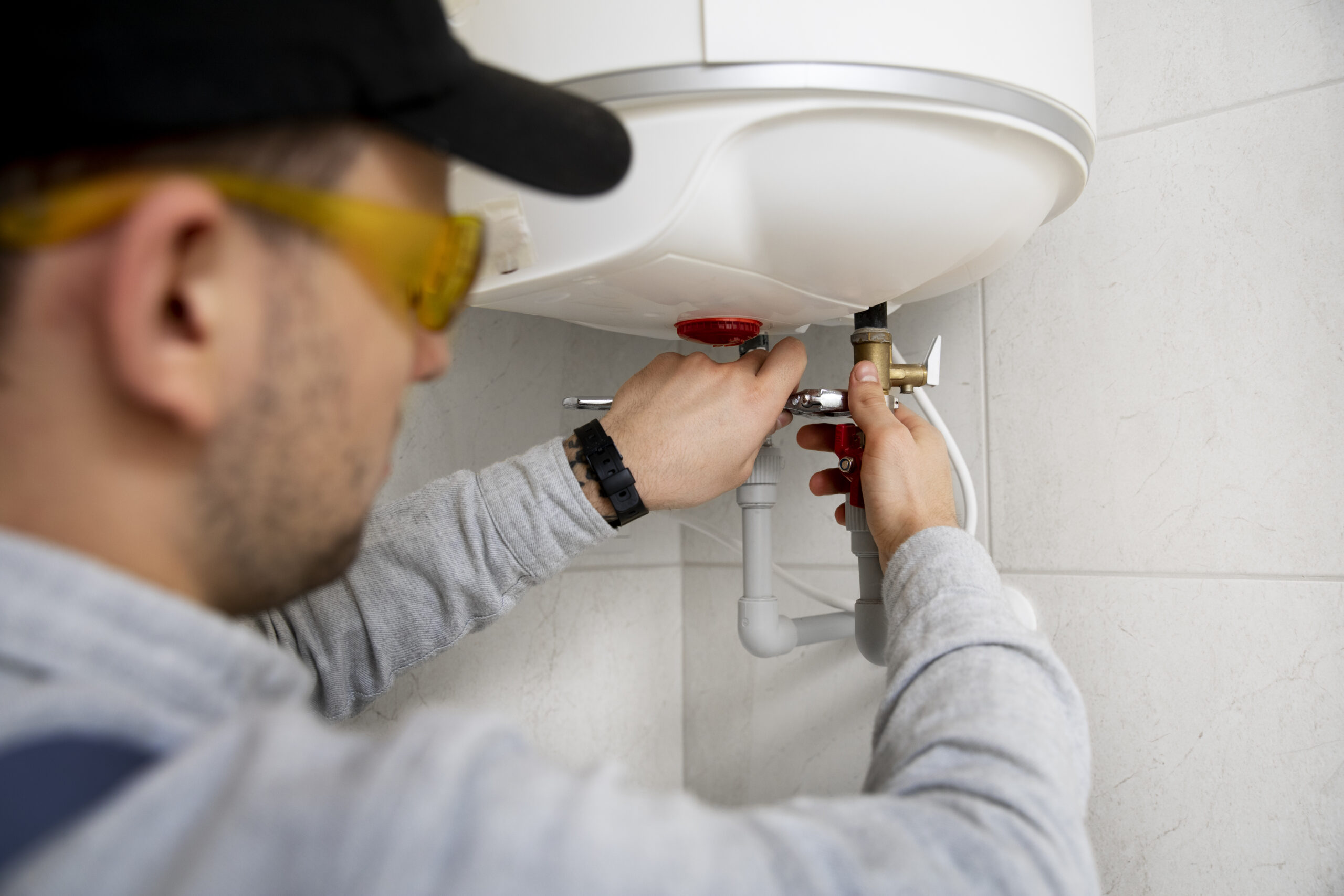
Emergency Boiler Repair: Your Complete Guide to Staying Safe and Warm
I will never forget the winter my boiler decided to give up the ghost. It was a Tuesday evening, the temperature had plummeted below freezing outside, and I was looking forward to a hot shower. I turned the tap, and nothing but icy water came out. A quick check of the thermostat confirmed my fears: the house was getting colder, and the little digital display on the boiler was dark. That sinking feeling of panic is something I would not wish on anyone. Your boiler is the heart of your home, especially in winter, and when it fails, it feels like a full-blown domestic crisis.
This experience, while stressful, taught me everything I now know about emergency boiler repair. I learned what to do in those first critical minutes, how to find a trustworthy engineer, and most importantly, how to tell a minor glitch from a major, dangerous problem. This guide is the one I wish I had that night. We will walk through everything together, from identifying warning signs to handling the repair and preventing future nightmares. My goal is to turn that panic into preparedness.
Is It a Real Emergency? Knowing the Warning Signs
Not every boiler issue requires a frantic, late-night phone call. Sometimes, the problem can be a simple reset or a repressurisation that you can manage yourself. However, some red flags demand immediate action. Ignoring them can risk your safety, your property, and lead to much more expensive repairs down the line.
The Smell of Gas: Your Number One Emergency
This is non-negotiable. If you can smell gas in your home, and especially near your boiler, this is a severe and immediate danger. Natural gas has a distinctive, sulphur-like smell added to it so you can detect leaks. Do not ignore it, even if it seems faint.
What it means: A gas leak means combustible gas is escaping into your home. This creates a significant risk of explosion or fire. Furthermore, inhaling gas can cause health issues, including dizziness, nausea, and headaches. Your response needs to be swift and decisive. Do not use any electrical switches, including light switches, as a single spark could trigger an explosion. Do not use your mobile phone inside the house. The first and most critical step is to get everyone out of the property immediately.
Water Leaking from the Boiler
A dripping boiler is a common yet alarming sight. While a small seepage might be manageable until the morning, a constant flow or a spray of water is a serious problem.
What it means: Boilers are pressurised systems. A leak indicates a breach in that system, which could be from a faulty valve, a cracked heat exchanger, or a corroded pipe. Beyond the immediate mess, a persistent leak can cause water damage to your floors, ceilings, and walls, leading to mould and structural issues. It also causes your boiler’s pressure to drop, forcing it to shut down as a safety measure. If you see water pooling around the unit, it is a clear sign you need professional help.
No Hot Water or Heating
This was the problem I faced. Waking up to no heating on a cold day or no hot water for a shower is more than an inconvenience; it is a genuine emergency for households with young children, elderly residents, or those with health conditions.
What it means: A complete loss of heating and hot water can stem from various issues: a broken diaphragm, a failed pump, a stuck motorised valve, or a problem with the thermostat. While it might not be as immediately dangerous as a gas leak, the impact on your quality of life and health is significant. If it happens during a cold snap, you also run the risk of your pipes freezing, which can cause them to burst and create a whole new set of catastrophic problems.
Strange Noises: Banging, Gurgling, Whistling
Boilers are not meant to be noisy. A healthy boiler should hum along quietly. If yours starts sounding like a kettledrum in an orchestra or a coffee percolator, it is trying to tell you something is wrong.
-
Banging or Knocking (Kettling): This is often caused by a build-up of limescale or sludge on the heat exchanger. The water gets trapped, overheats, and turns to steam, creating bubbles that collapse with a loud bang. It reduces efficiency and can damage the heat exchanger over time.
-
Gurgling Sounds: This usually indicates air in the system or a problem with low water pressure. It is like the sound of water running through pipes in an old house. While not always an immediate emergency, it needs investigation as it can lead to cold spots in your radiators and reduce heating efficiency.
-
Whistling or Screeching: This high-pitched sound often points to a issue with a pump that is failing or a valve that is not operating correctly. It suggests a component is under undue stress and could fail completely soon.
Carbon Monoxide Alarm Activation
If your carbon monoxide (CO) alarm sounds, you must treat it with the utmost seriousness. Carbon monoxide is a silent killer; it is a colourless, odourless gas produced when fuels like gas do not burn completely.
What it means: A faulty boiler can be a source of carbon monoxide. If your alarm goes off, do not assume it is a false alarm. Immediately turn off the boiler, open all windows and doors to ventilate the area, and get everyone outside into fresh air. Call the Gas Emergency Helpline on 0800 111 999. Symptoms of CO poisoning can mimic flu headaches, dizziness, nausea, breathlessness, and collapse. If anyone is experiencing these symptoms, seek medical attention immediately and tell the medics you suspect carbon monoxide poisoning.
Your Step-by-Step Emergency Action Plan
When disaster strikes, having a clear plan of action can prevent panic and ensure you handle the situation safely and effectively. Here is a breakdown of what to do based on the specific emergency.
Immediate Steps for a Gas Leak
This is your absolute priority. Your safety comes before property.
-
Do Not Operate Electrical Switches: This includes light switches, doorbells, or any electrical appliance. A single spark can ignite the gas.
-
Extinguish All Flames: Do not smoke, light matches, or use any other open flames.
-
Ventilate the Area: If it is safe to do so on your way out, open doors and windows to allow the gas to disperse.
-
Turn Off the Gas: If you can safely access the gas emergency control valve (usually located near your gas meter), turn it off. The valve is off when the lever is at a 90-degree angle to the pipe.
-
Evacuate the Property: Get everyone out of the house and move to a safe location, like a neighbour’s house.
-
Call for Help: From a safe distance outside your home, call the Gas Emergency Freephone number: 0800 111 999. Follow their instructions. Do not re-enter your home until you have been told it is safe to do so.
What to Do for a Boiler Leak
A water leak requires a different approach, focused on preventing water damage.
-
Turn Off the Water Supply: Locate the cold water inlet valve that feeds your boiler and turn it off. This will stop more water from entering the system and worsening the leak.
-
Turn Off the Boiler: Switch the boiler off at its main power switch. Do not touch the boiler itself if it is wet or if water is near electrical components.
-
Contain the Leak: Place a bucket or bowls under the leak and use old towels to soak up any water to minimise damage.
-
Call an Emergency Plumber/Heating Engineer: Explain that you have a leaking boiler and need an urgent visit.
General Steps for Other Boiler Failures
For issues like no heating, strange noises, or a loss of pressure, follow this general plan.
-
Stay Calm and Assess: Take a deep breath. Identify the specific symptom. Is there an error code on the display? Is the pressure gauge in the green zone?
-
Check the Basics: It sounds simple, but it is often overlooked.
-
Is the thermostat set correctly? Ensure it is set to a temperature higher than the current room temperature and is on the “heating” or “on” setting.
-
Is the boiler pressure correct? Most combi boilers should have a pressure between 1 and 1.5 bar when cold. If it is below 0.5 bar, you may need to repressurise it using the filling loop. Your boiler’s manual will have instructions for this.
-
Have you checked your power? Ensure the boiler is plugged in and the switch is on. Check your home’s fuse box or circuit breaker to see if a switch has tripped.
-
Try a Reset: Many modern boilers have a reset button. Consult your manual and try pressing it once. If the problem persists, do not keep resetting it.
-
-
Call a Qualified Engineer: If the basic checks do not resolve the issue, it is time to call a professional. When you call, be ready to tell them:
-
The make and model of your boiler.
-
The specific problem (e.g., “no hot water,” “making a banging noise”).
-
Any error codes displayed.
-
What you have already checked.
-
What to Expect When the Engineer Arrives
A good engineer will not just fix the problem; they will explain it to you. Here is what the process typically looks like.
The Diagnosis Process
A reputable engineer will start by asking you questions about what happened. Then, they will perform a series of tests. They might check the flue for blockages, test the electrical components with a multimeter, inspect the heat exchanger, and examine the pressure relief valve. They are essentially playing detective, using their expertise and tools to trace the symptom back to its root cause. A trustworthy engineer will explain what they are doing and what they are finding as they go along.
Common Repairs and Potential Costs
It is helpful to have a ballpark idea of what you might be facing. Please note that costs can vary widely depending on your location, the boiler model, and the engineer’s rates.
-
Frozen Condensate Pipe: A very common issue in freezing weather. The plastic pipe that takes condensation away from the boiler freezes, causing a blockage. Repair: This can often be fixed by pouring warm water over the external pipe. If the pipe has cracked, it may need replacing. Cost: £50 – £150.
-
Faulty Pump: The pump circulates hot water around your radiators. If it fails, you will have no heating. Repair: The pump usually needs to be replaced. Cost: £200 – £400 including parts and labour.
-
Broken Diaphragm or Diverter Valve: This is a common cause of having heating but no hot water. Repair: Replacing the diaphragm or valve. Cost: £150 – £300.
-
PCB (Printed Circuit Board) Failure: The PCB is the boiler’s brain. If it fails, the boiler will not work. Repair: This is one of the more expensive repairs, as the PCB itself is costly. Cost: £300 – £600.
-
Heat Exchanger Failure: The core component where water is heated. If it cracks or gets blocked with sludge, it can be costly to fix. Repair: Can sometimes be cleaned, but often needs replacement. Cost: £400 – £800+.
Always ask for a quote before authorising any work. A good engineer will provide a clear breakdown of parts and labour.
Questions to Ask Your Engineer
Do not be shy. You are the customer, and you have a right to understand the work being done on your appliance.
-
“Can you please explain what caused the problem?”
-
“Is this a permanent fix, or is it a temporary repair for a larger underlying issue?”
-
“Can you provide a written quote for the work?”
-
“Are the parts you are using genuine manufacturer parts?”
-
“Is my boiler safe to use now?”
-
“What can I do to prevent this from happening again?”
Preventing Future Boiler Emergencies
An ounce of prevention is truly worth a pound of cure when it comes to your boiler. Proactive maintenance is the key to a reliable, efficient, and long-lasting heating system.
The Non-Negotiable Importance of an Annual Service
I cannot stress this enough. Having your boiler serviced once a year by a Gas Safe registered engineer is the single most important thing you can do. It is not an optional extra; it is essential maintenance, like getting an MOT for your car. During a service, the engineer will:
-
Check for any signs of corrosion or leaks.
-
Ensure the gas pressure and flow are correct.
-
Clean vital components like the burner and heat exchanger.
-
Check that the flue is clear and safely removing fumes.
-
Make sure all safety devices are working correctly.
An annual service catches small issues before they become big, expensive, and dangerous problems. It also maintains the validity of your boiler’s warranty and ensures it runs at peak efficiency, saving you money on your energy bills.
Simple DIY Checks You Can Do
Between services, there are a few things you can keep an eye on.
-
Monitor the Pressure Gauge: Get familiar with where the pressure gauge is on your boiler and check it every couple of months. If it consistently drops, it might indicate a small leak somewhere in the system.
-
Bleed Your Radiators: If you notice your radiators have cold spots at the top, they likely have air trapped inside. Bleeding them releases the air and allows hot water to fill the entire radiator, making your heating more effective and your boiler work less hard.
-
Keep the Area Clear: Ensure the space around your boiler is clear of clutter, dust, and flammable materials. Good airflow is important for its operation.
-
Know Your Boiler: Take ten minutes to read the user manual. Understand what the different lights and error codes mean. This knowledge is empowering and can save you a call-out fee for a simple reset.
Conclusion
A boiler breakdown is never welcome, but it does not have to be a terrifying ordeal. By understanding the warning signs, having a clear action plan, and knowing how to find a qualified professional, you can navigate the situation with confidence. Remember the hierarchy: safety first, then damage limitation, then repair. The smell of gas or a carbon monoxide alarm demands immediate evacuation. For other issues, a methodical approach of checking the basics before calling for help is the best course of action.
Investing in an annual service is the ultimate act of prevention. It gives you peace of mind, protects your family, and saves you money in the long run. My own boiler breakdown was a stressful lesson, but it taught me to respect the complex appliance that keeps my home warm and to never take it for granted. Be proactive, be prepared, and you will keep the cold at bay for many winters to come.
Frequently Asked Questions (FAQ)
Q1: How much does an emergency boiler repair call-out cost?
A: Emergency call-out fees vary but typically range from £90 to £150, even before any parts or labour are factored in. Weekend, evening, and Bank Holiday call-outs will be at a premium. Always ask for an estimated quote before work begins.
Q2: What is the difference between a Gas Safe engineer and a plumber?
A: All engineers who work on gas appliances, including boilers, MUST be on the official Gas Safe Register. It is a legal requirement. A plumber may specialise in water pipes and drainage but may not be qualified to work on gas. Always, without exception, check the engineer’s Gas Safe ID card.
Q3: My boiler pressure keeps dropping. What is the most common cause?
A: A slow but consistent drop in pressure is often due to a small leak in the system, such as from a radiator valve or a tiny crack in a pipe. A sudden pressure drop is more likely a problem with the pressure relief valve or the expansion vessel. An engineer can perform a pressure test to locate the source.
Q4: Is it worth repairing an old boiler, or should I just replace it?
A: This is a classic dilemma. A good rule of thumb is the “£500 rule.” If the repair cost is over £500 and your boiler is more than 8 years old, it is often more cost-effective in the long run to invest in a new, more energy-efficient model. You will save on future repairs and lower your energy bills.
Q5: What should I do if my condensate pipe freezes?
A: This is a very common fix. The condensate pipe is usually a white plastic pipe that runs from your boiler to an outside drain. If it freezes, you will likely get a fault code. You can thaw it by pouring warm (not boiling) water over the external section of the pipe. Once thawed, you can reset the boiler.
